A 100km day on a loaded bike is a different animal to a fast Sunday club run. Weight, position, hours in the saddle and the small matter of doing it all again tomorrow change the arithmetic. Twelve weeks is enough to turn a reasonably fit cyclist into someone who can string long days together without dreading the alarm. What follows builds endurance and hill strength, protects your recovery, and treats route planning as part of the training rather than an afterthought.
Before you follow any plan, work out where you actually are. Not where you were three summers ago, and not the rider you follow on Strava. Ride three times in one week and note how far you go, how long it takes and how you feel the next morning. If 50km leaves you stiff and flat, that is your starting point, and it is a perfectly good one.
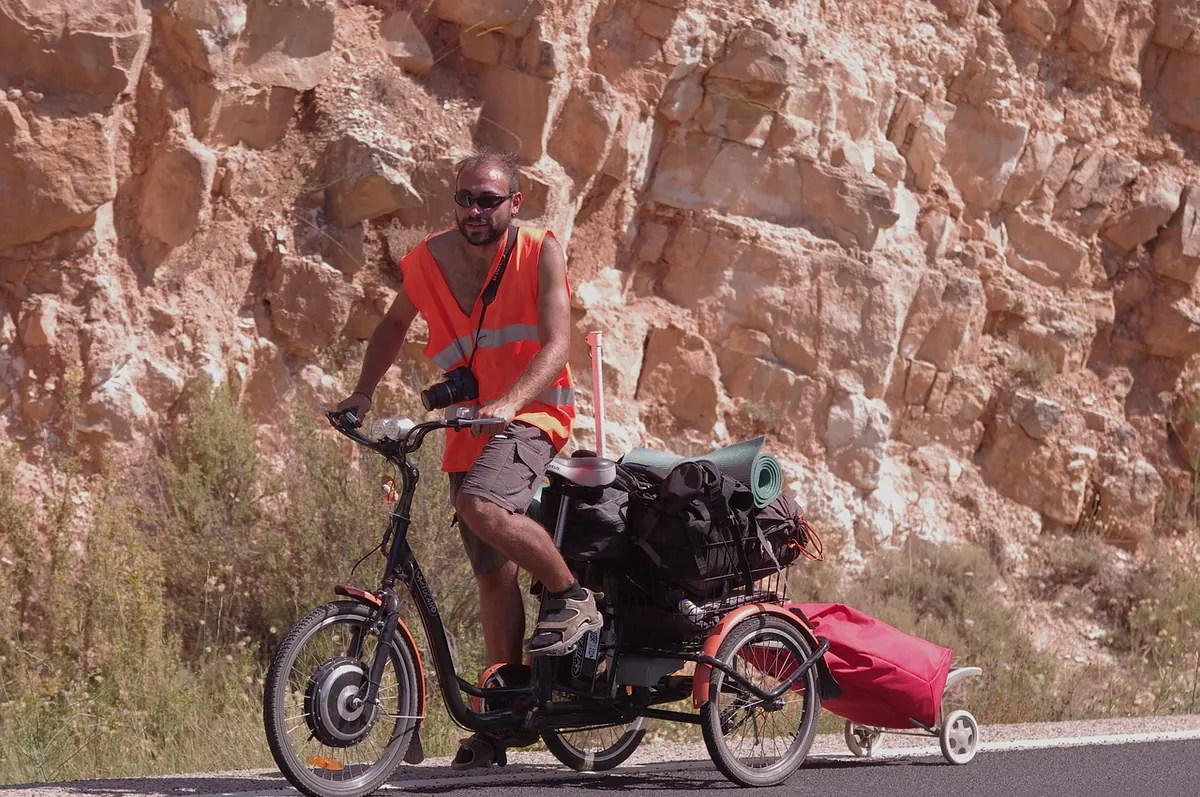
Two practical jobs belong here. First, set up the bike you intend to ride — saddle height, reach, cleat position — and if you get persistent knee, back or saddle discomfort, see a bike fitter or physiotherapist before the miles pile up. Second, ride the bike loaded. Panniers change how a bike steers, climbs and brakes, and you want those surprises in week two, not on day one of the trip.
The shape is simple: build a wide base, add hills and intensity, then back off so you arrive fresh.
Three or four rides a week, all comfortable. Aim for time in the saddle at a pace where you can hold a conversation. Long rides creep up gradually, then take an easier week before pushing on again.
Add one ride with sustained climbs, one with short efforts, plus the long ride. Keep the easy days genuinely easy; making everything moderate leaves you tired and not much stronger.
Rehearse the trip. Two consecutive long days on a weekend, ridden at touring pace with full luggage, then a cutback week at roughly half the volume rather than pushing through.
Ride less, not more. Short spins with a few brisk efforts keep the legs awake. Any fitness you were going to gain has already been gained.
A workable week template:
Two or three rides a week still works if that is all your life allows. Prioritise the long ride, then the hilly one.
Everything else supports it. Start at whatever distance feels comfortable, extend by 10km or so each week, and ease off every third or fourth week. By week ten you want one ride near or beyond your biggest planned day, with luggage and in the kit you will actually wear.
Use these rides to practise eating and drinking on the move. A rough guide many cyclists find works is a small amount of food every 45 minutes or so, plus regular sips of water, well before hunger or thirst arrives. Learn what sits well. A bonk at kilometre 70 near home is a lesson; the same thing on a remote pass is a problem.
Long-distance routes rarely stay flat, and climbing loaded is a skill as much as a fitness quality. Find a hill of 5 to 10 minutes and ride it three or four times, seated, in a gear you can turn steadily. Stay relaxed through the shoulders and breathe evenly rather than grinding.
Rehearse the low gear too. On a loaded bike you will use your easiest ratios far more than you expect, and spinning up slowly is faster and kinder than muscling up. Descending with weight is worth practising: brake earlier, brake on the straights, and let the bike run where you can see the road.
Training makes you tired; recovery makes you stronger. Sleep is the most powerful tool you have, and no interval session compensates for a week of five-hour nights. Take at least one full rest day a week, and treat cutback weeks as part of the plan rather than a lapse.
Eat properly on riding days and off them: protein with meals, carbohydrates around the longer rides, and enough fluid that your urine stays pale. If you have an injury or a medical condition, or you manage your diet for any reason, speak to a doctor or registered dietitian before making changes. General advice cannot account for your circumstances.
The best-prepared riders are the calmest ones. Sort these out well before you leave:
Ride part of the route in training if you can. One weekend on similar terrain teaches you more than hours of planning on a screen.
Resist the urge to cram. Do one more loaded long ride, then ease off. Check the bike properly — brake pads, chain wear, tyre condition, rack bolts — and fix anything marginal now. Pack, repack, then take a short ride with the exact load you will carry. Write a simple plan for the first two days and keep them deliberately easy. Then rest, eat, sleep, and go.
Photo: 12019 / Pixabay