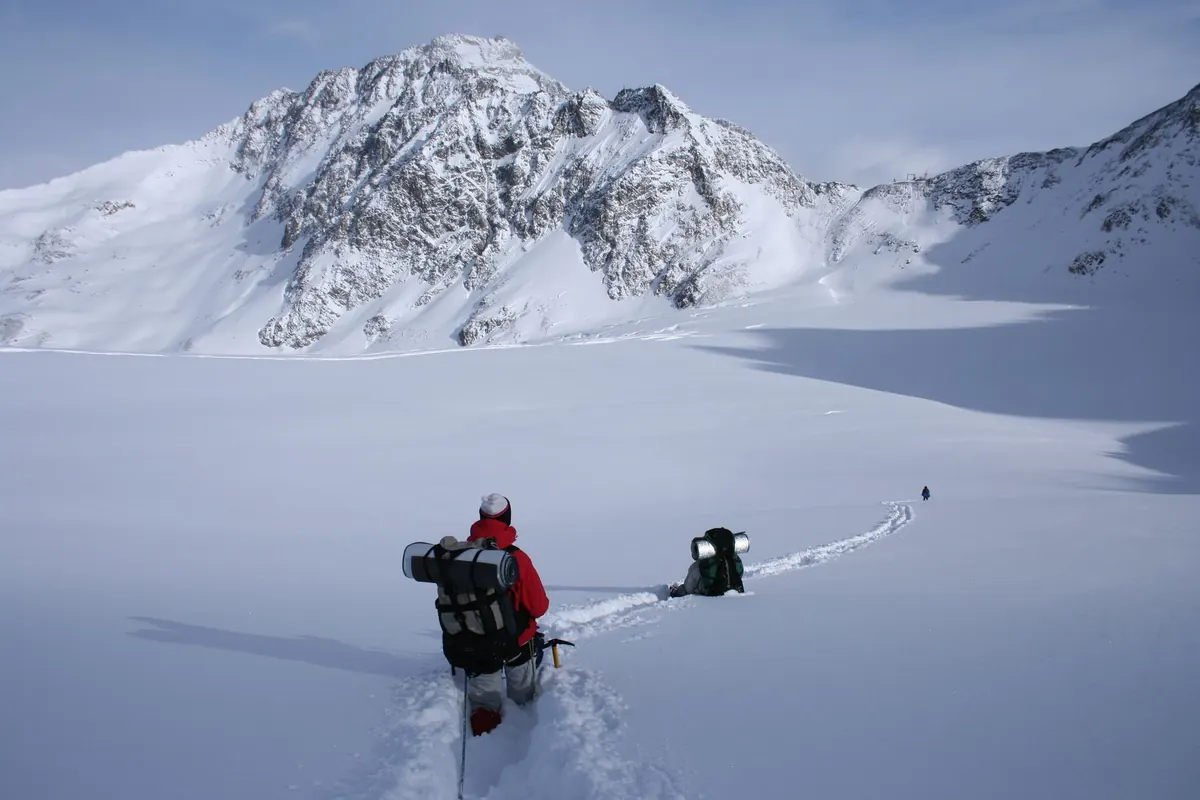
I have turned back in the Scottish hills more times than I have summited. The one I think about most happened on a bright, bitter morning in the Cairngorms, when we walked away from a route we had talked about for two winters.
Nothing dramatic happened. Nobody was injured, nobody was rescued. We simply got it wrong in a handful of small ways, and a small mistake in a Cairngorms winter has a way of growing.
Two of us, mid-February. The plan was a gully line in Coire an t-Sneachda, then up onto the plateau and back round by the rim. Ambitious for a short winter day, but doable for two reasonably fit people with the right kit and a bit of luck.
The forecast offered strong winds, frequent snow showers and poor visibility above about 900 metres. The avalanche report flagged windslab on north to north-east aspects. I read it on the sofa the night before, felt a small cold knot in my stomach, and then found reasons why it would be better on the day. We would be early. We would be quick. The winds always sound worse on paper.
That is the first trap, and it is not a stupid person's trap. It is a keen person's trap. You have cleared the day, driven north, paid for fuel, and the route is already half-climbed in your head.
We left the car park below the ski area at half past eight with head torches on. The path was hard packed and icy almost immediately, so crampons went on earlier than I expected. That was our first useful piece of information, and we treated it as a minor annoyance rather than a sign.
By the time we reached the mouth of the coire, the wind was doing what the forecast said it would. Spindrift poured down the slopes in long white ribbons. My goggles fogged, cleared, fogged again. My gloves were already damp from the walk-in, which meant my hands were cold long before the climbing started.
We were slower than planned. Not disastrously — twenty minutes here, fifteen there — but the day was shrinking and we had not admitted it to each other.
Above the coire floor, the visibility collapsed. We navigated on a bearing with a paper map and compass, counting paces, because the phone had already gone into a chest pocket to keep the battery alive. Somewhere ahead was the gully entrance. When it finally appeared through the murk, the left-hand side was loaded with fresh windslab, soft and dull-looking, and spindrift was pouring off the top of it.
I stood there for a while doing arithmetic I did not want to do. If the slab went, it would go onto a steep, narrow slope. Our escape route would be down a slope we could not see. We had one pair of usable gloves between us and no spare goggles. We had eaten almost nothing.
We turned around at about half past eleven. The walk down was, in some ways, harder than the climb: the wind was now behind us, the snow was greasy, and every step asked the same question. Are we sure?
We were sure. That is the only part of the day I would repeat exactly as it happened.
None of this is exotic, and all of it is easy to skip when you are excited. Read the avalanche report and the mountain weather forecast the night before and again in the morning. Check when daylight runs out and work backwards from it. Tell someone where you are going and when you expect to be back, and give them a time to raise the alarm if you are not.
Carry a paper map and compass even if you use a phone, and keep the phone warm and charged. Take a head torch with spare batteries, an emergency shelter, a flask, spare gloves and goggles, and enough food for a longer day than you have planned. Know the drill if something goes wrong: call 999 and ask for the police, then mountain rescue. Phone signal in the Cairngorms is patchy at best, so a plan that depends on it is not a plan.
Most of all, treat winter skills as something you build. A course, a day out with someone more experienced, or a season of smaller objectives in bad conditions will teach you more than any summit will. If you have a health condition that the cold, the altitude or the effort could affect, take advice from a qualified professional before you go. The hills will still be there next winter, and so will you.
Photo: Pixabay / Pexels