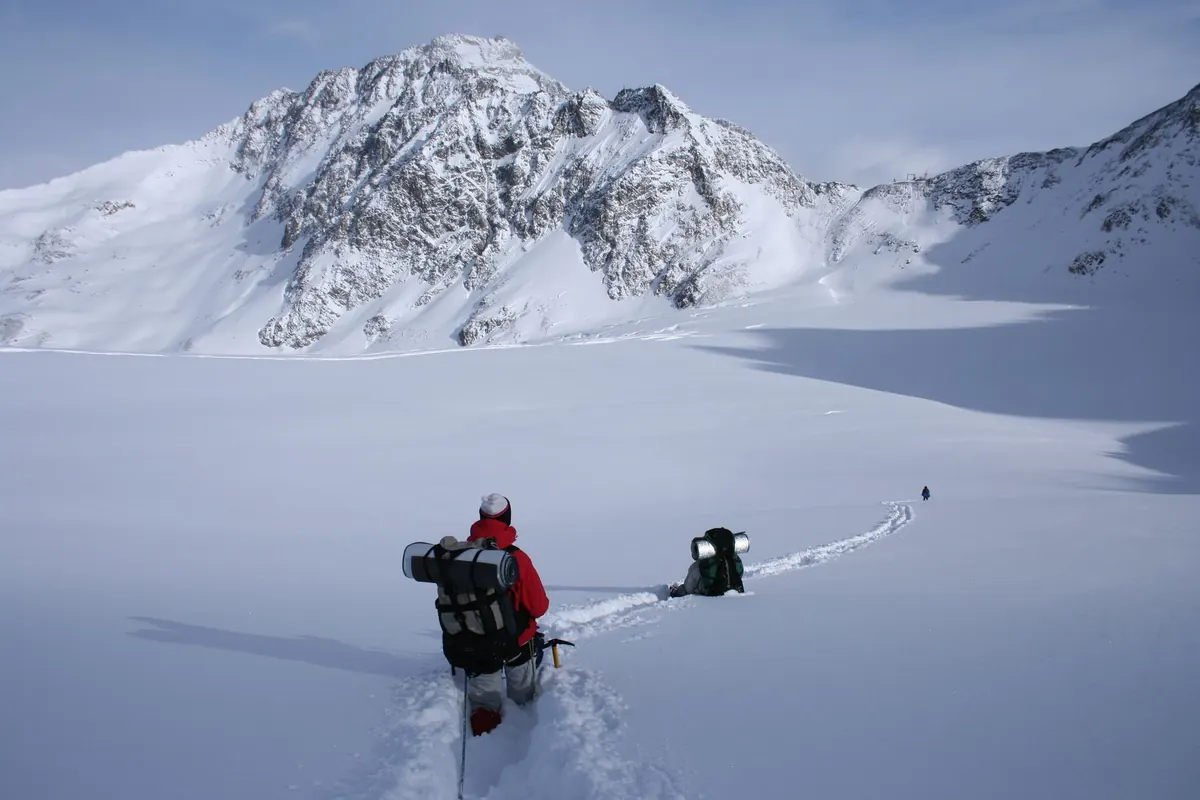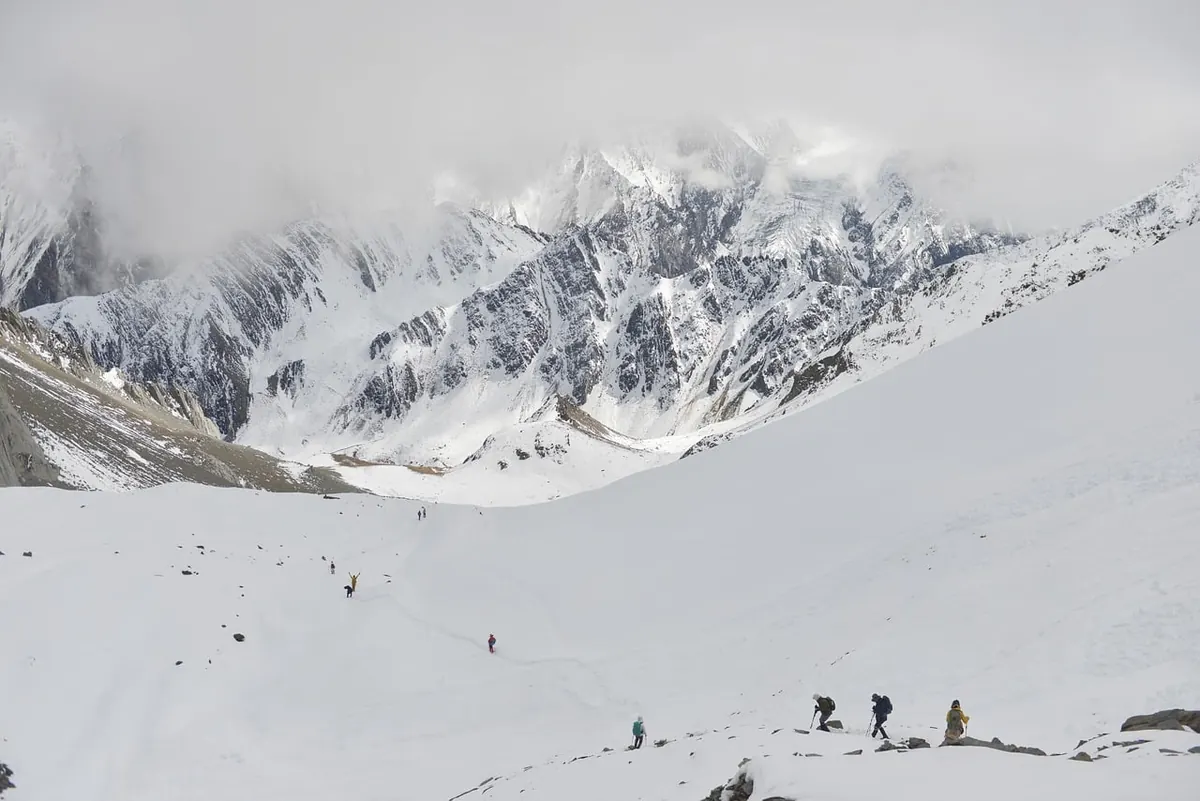
Most first Himalayan treks start with a photograph: a snow-covered peak, a friend who says you will be fine, and a booking made months before anyone thinks seriously about altitude. Then you land in Kathmandu or Leh, shoulder a pack, and discover the mountains have their own rules. None are unreasonable. They are simply different from the ones you learned on weekend walks at home. These are the mistakes that catch out first-timers most often, and what to do instead.
Being fit helps. It makes the walking easier, the pack lighter, and the long days less punishing. What it cannot do is acclimatise you. Altitude is not a test of willpower or cardio; it is a question of how quickly your body adapts, and that timetable is largely out of your control.
Trekkers who train hard sometimes push hardest, treating a headache or a poor night's sleep as something to walk off. That is how a manageable problem becomes a serious one. Watch for breathlessness at rest, a headache that will not shift, nausea, dizziness or disturbed sleep. If symptoms worsen, the correct response is to descend, not to swallow a pill and carry on. Before you travel, ask a doctor about altitude illness and whether medication is appropriate for you.
Day one feels wonderful. The air is sharp, the views are absurd, and the lodge is only a few hours away. So you stride. By mid-afternoon you are quiet, your head is throbbing and dinner is out of the question.
Experienced trekkers do the opposite. They start slower than seems necessary and stay that way: short steps, a brief pause every half hour, breathing through the effort rather than fighting it. In Nepal you will hear the phrase bistari bistari — slowly, slowly. It is not a joke; it is the technique.
The trekkers who finish happily are rarely the fastest. They are the ones who slowed down on day two and stayed slow.
Reaching the lodge early is not a win. Arriving able to eat, drink and sleep is.
At altitude you breathe faster, lose more moisture and often feel less thirsty than you should. Drink little and often rather than in one heroic litre at dinner. Pale straw-coloured urine is a reasonable daily check; dark yellow means you are behind. Keep alcohol to a minimum for the first few days, and go easy on strong coffee, which does not replace water.
Appetite often disappears. Eat anyway, and choose hot, familiar, carbohydrate-heavy food: dal bhat, noodle soup, potatoes, eggs, rice. Many trekkers find small snacks — nuts, dried fruit, biscuits — easier than a full plate, and regular grazing keeps energy steadier on long climbs.
Treat your water. A filter, purification tablets or boiled water from the lodge are all sensible; bottled water is widely available but creates plastic waste. Wash your hands or use hand gel before eating, and be cautious with raw salads, unpeeled fruit and food that has been sitting out. Stomach trouble costs more days than steep ground.
This is the mistake with the most expensive consequences. Many standard travel policies exclude trekking above a certain altitude, or cover it only if you have added a specific activity extension. Read the policy and check three things: the maximum altitude covered, that mountain rescue and helicopter evacuation are included, and that the country and activity are not excluded. If anything is unclear, ask the insurer directly and keep the reply. Do it before you pay for the trip, not the week before you fly. For anything involving money or your health, take professional advice.
Permits matter too. Depending on where you trek, you may need a TIMS card, a national park entry permit or a restricted-area permit, and some routes require a registered guide. Carry passport photographs, photocopies and digital backups, and keep permits with your passport rather than at the bottom of your pack.
Himalayan weather changes fast, and a sunny morning says nothing about the afternoon. Pack for cold, wet and bright conditions on the same day.
Leave behind cotton jeans and t-shirts, a laptop, and the third outfit packed "just in case". Weight you do not need is weight you carry every step.
Acclimatisation days are not spare days. Filling them with a side trip to a viewpoint defeats the purpose. Sleep, eat, drink, and take a gentle wander instead. If your itinerary has no slack in it, you have no room to recover from a bad night or a turned ankle, and the trip becomes a schedule to be met rather than a place to enjoy.
Deal with small issues early: a hot spot on your heel, a tightening knee, a cough that will not clear. Tell your guide how you are actually feeling, not how you think you should be feeling. Guides see altitude problems every season and would far rather adjust the plan than manage a crisis.
Get those five right and the mountains become what you hoped they would be: hard work, yes, but generous too.
Photo: Tsebho / Pixabay